Yard Waste & Brush Removal · Reading, PA
Yard Waste Removal Dumpster Rental in Reading, PA
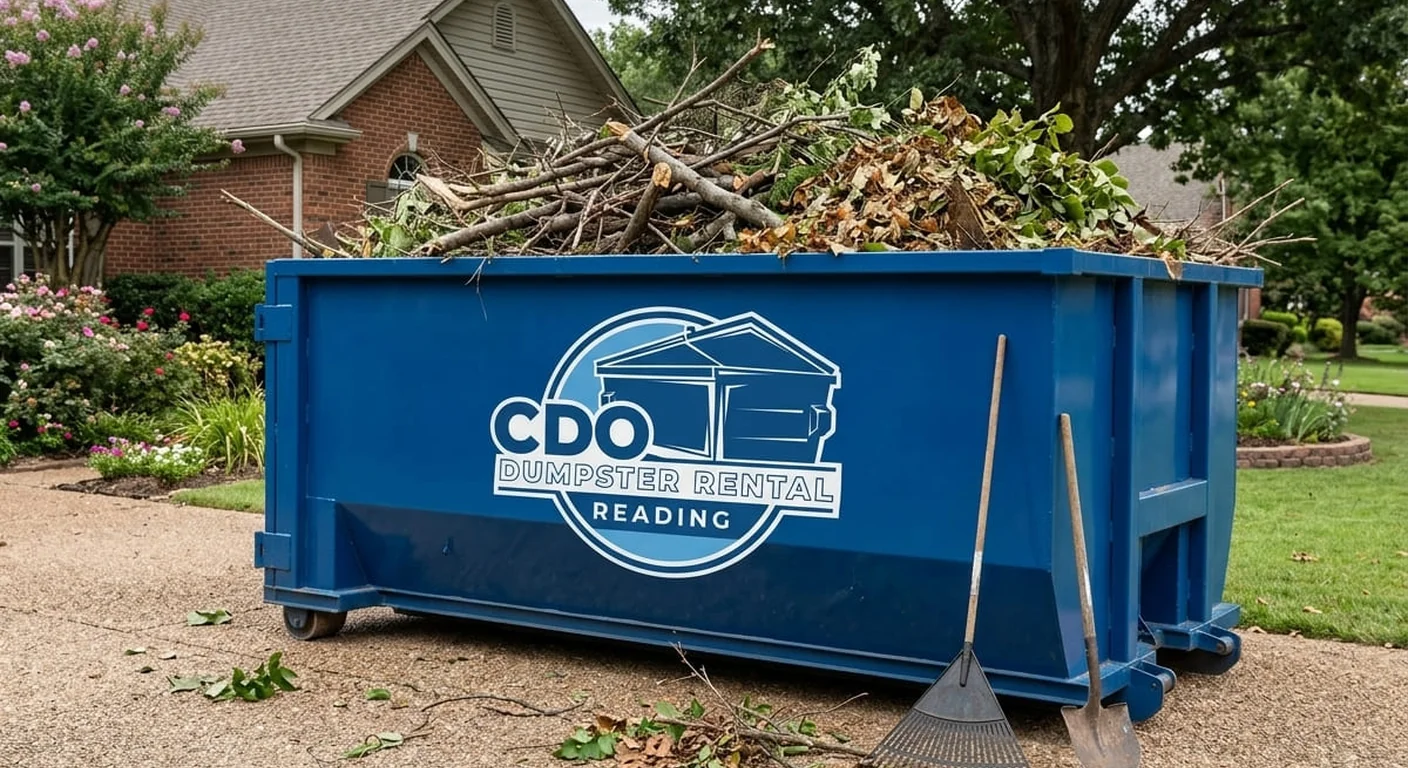
Clearing brush, storm damage, or a season's worth of yard debris in Reading or Berks County? We deliver a roll-off built for a clean, separated yard-waste load.
- Same-day & next-day delivery
- Flat-rate, all-in pricing
- Driveway protection included
- Same-Day DeliveryCall before noon and we can usually be there today.
- Flat-Rate PricingDelivery, pickup, disposal and tax quoted up front.
- Licensed & InsuredFully insured and licensed to haul in Pennsylvania.
- Locally OwnedLocally owned and operated, based right here in Reading.
Overview
Yard Waste & Brush Removal in Reading
Yard cleanups look different across Reading and Berks County depending on where you are — small city lots and rowhome yards climbing Mount Penn and Neversink Mountain generate steady leaf and clipping volume, newer subdivision lots in Wyomissing, Sinking Spring, and Spring Township tend to run larger with more mature trees, and older farmhouse and rural properties out toward Boyertown, Kutztown, and Hamburg can produce a serious amount of brush after storm damage or a full property clear-out. Either way, yard waste is its own category of debris, and keeping it separated from household junk or construction material makes for a cleaner, easier haul.
We deliver a roll-off sized to the job, whether that's a weekend of raking and pruning or a larger clearing project, and pick it up once it's loaded. One flat rate covers delivery, pickup, and disposal. Branches, brush, leaves, grass clippings, and general yard clippings are all accepted — the load just needs to stay a clean, separated yard-waste stream rather than mixed with furniture, construction debris, or anything on our prohibited list.
Call (484) 334-4904 and tell us roughly how much you're clearing — we'll help you size it so you're not stuck making a second trip or paying for space you didn't need.
Accepted materials
What goes in — and what doesn't
Good for
- Storm-damaged brush and downed limbs
- Seasonal leaf and clipping cleanup
- Tree pruning and trimming debris
- Full property or lot clearing
- Overgrown yard restoration projects
- Pre-listing yard cleanups
- Rural and large-lot brush removal
Cannot go in
- Household furniture or appliances
- Construction or demolition debris
- Large amounts of dirt, sod, or fill as the main load
- Treated lumber or fencing material
- Hazardous chemicals or containers
- Mixed loads combining yard waste and general trash
Pennsylvania bans a specific list of materials from landfills. If you are unsure about an item, call (484) 334-4904 before it goes in the container — it costs nothing to ask and a lot to sort out afterwards. Full detail in our banned materials guide.
What Counts as Clean Yard Waste
Clean yard waste means branches and brush, leaves, grass clippings, pruned limbs, and general plant material from around your property. It's a lighter, bulkier load than demolition or construction debris, which is part of why it's worth keeping separate rather than mixing it into a general junk container — a dumpster full of loose brush behaves very differently from one full of drywall or furniture, and separating the two keeps both loads easier to handle and haul.
If your cleanup also includes household items — old furniture, a shed's worth of clutter, broken fixtures — alongside the yard debris, our junk removal page covers that side, and it's usually simplest to keep the two loads in separate containers if the scope allows for it.
For a full rundown of what's accepted across all of our containers, including yard debris specifically, see our what can go in a dumpster in Pennsylvania guide. Stumps, root balls, and large amounts of soil or sod are heavier and denser than typical brush, so mention those specifically when you book so we can size and, if needed, adjust for the added weight.
Winter Storm and Spring Cleanup Brush Removal
Berks County's yard-waste story has a real winter chapter that warmer-climate towns don't deal with. Heavy wet snow and ice from a nor'easter can snap limbs and bring down whole sections of trees, and once the spring thaw sets in, homeowners are often left with a winter's worth of downed branches, storm debris, and freeze-damaged shrubs to deal with all at once. That's well beyond what a curbside yard-waste pickup service is built to absorb in one go.
After a winter storm, we see a lot of Reading and Berks County customers renting a dumpster specifically to get downed limbs and brush off the lawn before a spring mowing season starts, or before a cracked limb becomes a bigger hazard sitting against a fence, deck, or roofline. Because storm brush tends to arrive all at once rather than gradually, a single container sized for the volume is often faster than working through it over several weekends.
Our Pennsylvania seasonal cleanup guide goes into more detail on planning around both the winter storm season and the spring thaw stretch, including how far ahead to book if a storm is already in the forecast.
Keeping Yard Debris Separated: PA DEP Guidance
The Pennsylvania Department of Environmental Protection (PA DEP), the state agency that oversees solid waste and recycling, encourages keeping yard debris — brush, leaves, grass clippings, and similar plant material — separated from general household trash and construction waste wherever possible, since yard debris is generally better suited to composting and mulching than to being landfilled alongside mixed waste. We follow that same approach with our yard-waste containers: a clean, separated load rather than one mixed with household junk or building material.
Keeping loads separated this way isn't about a blanket rule against yard waste in a landfill — it's about following the state's current waste-reduction guidance for handling it responsibly. If you want the specifics for your situation, PA DEP's own site is the accurate, up-to-date source rather than anything general we could summarize here: PA DEP waste programs.
Our Berks County recycling and disposal guide also covers how yard waste fits alongside recycling and general disposal options across the area.
Sizing a Dumpster for Brush and Yard Debris
Yard waste is the opposite problem from concrete — it's bulky rather than heavy, so volume is usually the driving factor rather than weight. Loosely piled brush also takes up more room than the same material would if it were chipped or compacted, so a load that looks large on the lawn can settle down once it's actually loaded into the container.
| Size | Typical yard-waste use |
|---|---|
| 10 yard | A weekend of pruning, leaf bags, and light trimming |
| 15 yard | A moderate seasonal cleanup or a few downed limbs |
| 20 yard | A full-yard cleanup or a modest storm-brush pickup |
| 30 yard | A larger property clearing or a significant storm-brush haul |
| 40 yard | Land clearing or major storm cleanup on a larger rural lot |
If your cleanup includes stumps, root balls, or a lot of wet soil along with the brush, say so when you book — that added weight and density can change which size makes the most sense even when the visual volume looks similar to a lighter load.
Property Cleanups Across Reading and Berks County
Lot size varies a lot across our service area, and that shapes how big a yard-waste cleanup tends to run. Smaller city lots and rowhome yards in Reading itself usually generate a manageable seasonal load, while larger suburban lots toward Wyomissing and Sinking Spring and rural or farm properties near Boyertown and Hamburg can mean a much larger volume of brush, especially after storm season.
Whatever end of that range you're on, the process is the same: we deliver, you fill it with clean yard debris, and we haul it away on a flat rate that covers delivery, pickup, and disposal. See our full service area page for every town we cover, and check the dumpster sizes page if you'd like more detail on any specific container before booking.
Call (484) 334-4904 and describe your property and roughly how much you're clearing — we'll get you scheduled and sized correctly the first time.
Sizing
Which size for this job?
| Container | When it suits this job |
|---|---|
| 10 Yard | A weekend of pruning, leaf bags, and light trimming |
| 15 Yard | A moderate seasonal cleanup or a few downed limbs |
| 20 Yard | A full-yard cleanup or a modest storm-brush pickup |
| 30 Yard | A larger property clearing or a significant storm-brush haul |
| 40 Yard | Land clearing or major storm cleanup on a larger rural lot |
Still weighing it up? Read the full sizing guide, compare every container size, or just describe the job on the phone and we will pick for you.
Need yard waste & brush removal in Reading?
One call gets you a size, a flat rate and a delivery slot. Usually under four minutes.
Answers
Yard Waste & Brush Removal — questions we get asked
What kind of yard waste can go in the dumpster?
Branches, brush, leaves, grass clippings, and general plant material are all accepted. Keep the load a clean yard-waste stream rather than mixing in furniture, construction debris, or anything on our prohibited list. If you have stumps, root balls, or a lot of soil along with the brush, mention it when booking since that adds weight.
Is yard waste banned from landfills in Pennsylvania?
Pennsylvania's waste-reduction rules discourage landfilling leaf and yard debris separately from other trash, favoring composting and mulching instead, and PA DEP oversees that guidance statewide. We follow that approach with a clean, separated yard-waste load rather than mixing it with household trash. Check PA DEP's waste programs page for the specifics that apply to your project.
How much brush can one dumpster hold after a storm?
It depends on the size, but loosely piled brush takes up more room than it looks like on the lawn, so storm cleanups often run larger than expected. A 20 or 30 yard container handles most single-property storm-brush pickups; larger rural lots may need a 40 yard. Call (484) 334-4904 and describe the damage for a size recommendation.
What's the real seasonal driver for yard-waste cleanups here?
Unlike warmer climates, Berks County's biggest yard-waste spikes follow winter storms that snap limbs under snow and ice load, and the spring thaw that follows, when a winter's worth of downed branches and freeze-damaged shrubs all need clearing at once. That combination, well beyond typical curbside pickup capacity, is when most storm-related dumpster rentals happen.
Can I combine yard waste with regular junk in one dumpster?
It's better not to if you can avoid it. Yard waste is lighter and bulkier than household junk, and keeping it separated makes disposal cleaner and more consistent with PA DEP guidance. If your project includes both, we can often deliver two containers, or size one larger container and load in clearly separated sections.
Service area
We deliver across Berks County and beyond
Verified sources
Local & Official Resources
We are a private hauler, not a government agency. For rules, fees and hours, always go straight to the source:
- City of Reading — permits, right-of-way and city refuse programs
- Berks County — county recycling and household hazardous waste
- Pennsylvania Department of Environmental Protection (PA DEP) — Pennsylvania solid waste and recycling regulation
- PA One Call System (call 811 before you dig) — call 811 before any digging or footing work
- Pennsylvania Department of Transportation (PennDOT) — PennDOT road and right-of-way information